
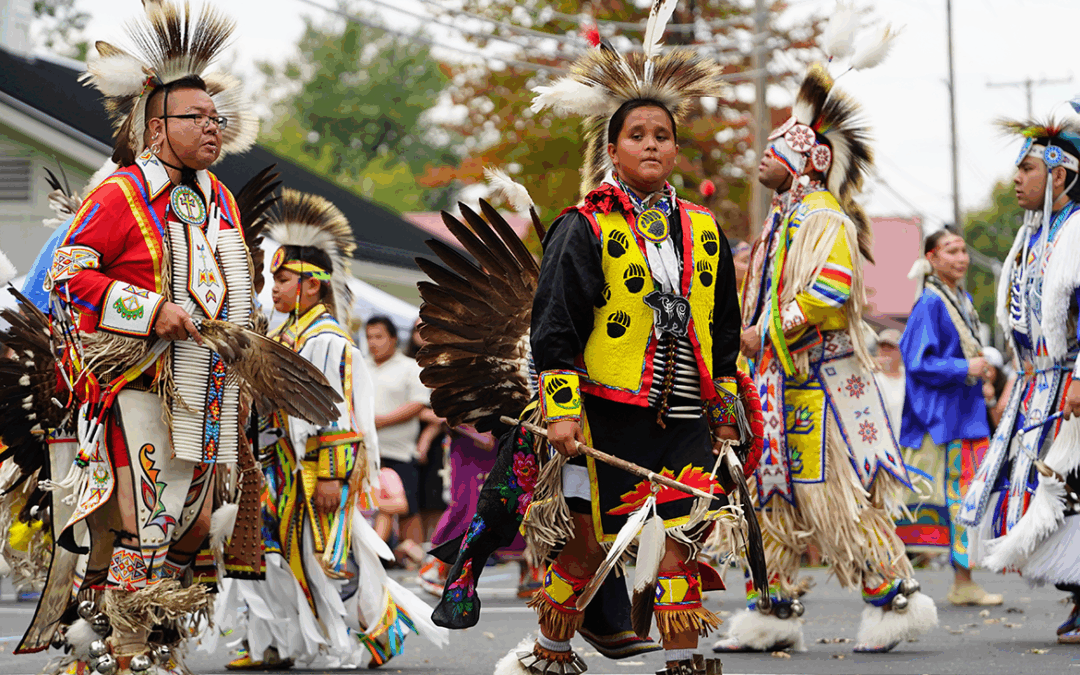
The story of the Nanticoke tribe reflects deep relationships with land, kinship, and the wider Lenape world that shaped the region for many generations. This history stretches across waterways, shared alliances, and long-standing village networks that carried cultural meaning.
Today, the Tribal Nation continues to affirm this heritage through community programs, tribal enrollment, and educational efforts grounded in lived experience.
Early Cultural Foundations
The cultural foundations of the Nanticoke trace back to communities living along rivers and coastal areas, shaping daily life around regional resources. These foundations reveal relationships with hunting, gathering, and seasonal patterns that shaped food, movement, and traditions.
Scholars studying Nanticoke tribe history highlight the way these early communities developed social structures that supported family stability and collective responsibility.
The early cultural record also reflects shared ties with Lenape groups who lived throughout the Mid-Atlantic region. These ties supported cooperation during trade and ceremonial events that strengthened intertribal understanding.
The cultural bonds formed in these early periods still influence language, kinship, and ceremonial ideals recognized within the Tribal Nation today.
Connections to Lenape Heritage
Connections between the Nanticoke and Lenape formed through constant interaction across nearby territories. These relationships shaped marriages, political alliances, and shared responses to environmental shifts over many centuries. The Nanticoke tribe’s location along waterways helped these communities stay linked to villages associated with Lenape traditions, creating a region-wide cultural framework.
Over time, these relationships expanded into a lasting kinship network that continues to influence community identity. Families maintained communication through gatherings and shared understandings of land and spiritual life. This link between the Nanticoke and Lenape remains an important cultural foundation within the New Jersey state-recognized Tribal Nation.
Historical Movement and Adaptation
The movement of Nanticoke groups across waterways reflected both tradition and the impact of outside pressures. Communities shifted locations to adapt to environmental changes, maintain safety, and continue trade relationships. These movements were part of broader regional patterns that shaped the Nanticoke tribe’s history and influenced long-term cultural survival.
Adaptation became even more important once European contact introduced new challenges to traditional lifeways. Despite changing political forces, families continued to safeguard cultural knowledge and maintain social bonds. These efforts allowed the community to remain connected to ancestral identity even as pressures increased.
European Contact and Its Effects
European arrival influenced tribal territories through shifting alliances and contested land claims. The introduction of trade altered resource use, while new political structures influenced daily life. Despite these challenges, families worked to maintain cultural practices that formed the core of their identity.
Contact also influenced migration patterns as communities negotiated new relationships with settlers. Some families relocated to maintain autonomy, while others stayed near ancestral areas. These decisions supported cultural continuity and helped preserve traditions that remain meaningful to Tribal Nation citizens today.
Ancestral Homeland Connections
The ancestral homeland of the Nanticoke extends across river systems, marshlands, and coastal forests. These landscapes shaped food systems and ceremonial traditions that passed between generations. Understanding the Nanticoke tribe’s location helps illustrate how communities used waterways for travel, trade, and cultural exchange.
Connections to homeland remain visible through stories, language, and place-based teachings that guide modern community life. These teachings influence cultural preservation programs that highlight relationships between land and identity. The Tribal Nation continues to honor these places through education and collective memory.
Shared Traditions and Lifeways
Shared traditions with Lenape communities reflect long-standing relationships that shaped ceremonial practices. Regalia, songs, and cultural items demonstrate practices that grew from connections across the region. These traditions are carefully taught today to maintain accuracy and respect for ancestral origins.
Lifeways also include values such as hospitality, reciprocity, and responsibility to family. These values shaped community behavior for centuries and continue to influence Tribal Nation programs. By maintaining these patterns, the community preserves a cultural identity that honors its ancestors.
Community Continuity Through Challenges
Community continuity is reflected in families who remained in the region despite outside pressures. These families protected their identity through church communities, kinship networks, and cultural knowledge. Their determination supported survival during times when indigenous identity faced significant restrictions.
This continuity eventually supported the development of the Tribal Nation’s modern government. Families passed down names, histories, and responsibilities that guided this transition. Their commitment still shapes community leadership and cultural work.
Modern Nanticoke Lenni-Lenape Identity
Modern identity reflects a blend of ancestral traditions and contemporary responsibilities. Citizens participate in cultural education programs that support accuracy in public understanding. These programs help correct misconceptions about Indigenous history in the region and highlight the continued presence of the Tribal Nation.
Identity is also supported through community services that address cultural, social, and educational needs. These services reinforce belonging and strengthen relationships among citizens. Each program works to preserve cultural teachings while supporting the needs of modern life.
Role of the Museum and Education Programs
The Nanticoke Lenni-Lenape Tribal Nation Museum plays a central role in preserving cultural items and historical knowledge. Exhibits highlight stories, artifacts, and teachings that show how the Tribal Nation has persisted. Visitors gain perspective on regional Indigenous history grounded in community experience.
Educational programs help students understand cultural continuity through workshops and presentations. These programs encourage respectful learning and correct outdated narratives. They also help introduce the public to museum resources that reflect the community’s heritage.
Cultural Preservation and Regalia Traditions
Regalia traditions reflect personal, family, and community identity through careful design and cultural meaning. Each piece of regalia carries significance connected to teachings, responsibilities, or family lineage. The Tribal Nation protects these traditions through cultural education and mentorship.
Cultural preservation programs also document songs, stories, and practices that reflect Nanticoke and Lenape heritage. These efforts keep traditions alive for future generations and strengthen collective pride. They support cultural understanding across community events, educational spaces, and ceremonial gatherings.
Community Services and Tribal Membership
Community services support citizens in maintaining cultural knowledge and participating in Tribal Nation activities. Programs include cultural teachings, youth gatherings, and seasonal events that strengthen community bonds. These services reflect values of mutual support and shared responsibility.
Tribal enrollment reflects citizenship within the Tribal Nation and acknowledges family ties and community identity. The enrollment process honors ancestral connections while supporting accurate historical documentation. This helps maintain continuity and affirms cultural belonging for future generations.
The Turtle Trading Post and Cultural Artistry
The Turtle Trading Post offers cultural items crafted with respect for traditions and community teachings. Artisans use skills passed down through families to create beadwork, baskets, and other items connected to heritage. These items help support cultural education and community programs.
The Trading Post also connects visitors to the broader story of Nanticoke and Lenape artistry. Each item reflects dedication to quality and respect for tradition. Revenue helps support Tribal Nation services that preserve history and cultural knowledge.
Cultural Heritage and Ongoing Commitment
The Nanticoke Lenni-Lenape Tribal Nation continues its work to protect cultural teachings, strengthen community bonds, and highlight its role as a New Jersey state-recognized tribe. Through museum programs, cultural events, and careful stewardship of heritage, the Tribal Nation reinforces the connection between ancestral traditions and modern responsibilities.
These efforts support long-term cultural continuity rooted in Nanticoke and Lenape identity. A continued focus on education helps future generations understand their responsibilities to the community and the land.
Staying Connected with Our Tribal Nation
At Nanticoke Lenni-Lenape Tribal Nation, we honor our history by inviting the public to learn more about Nanticoke heritage, Lenape connections, and our ongoing work through cultural programs and community education. To read more about Nanticoke Lenni-Lenape Nation, visit our page and contact us with any questions about our programs, cultural resources, or community support.
