
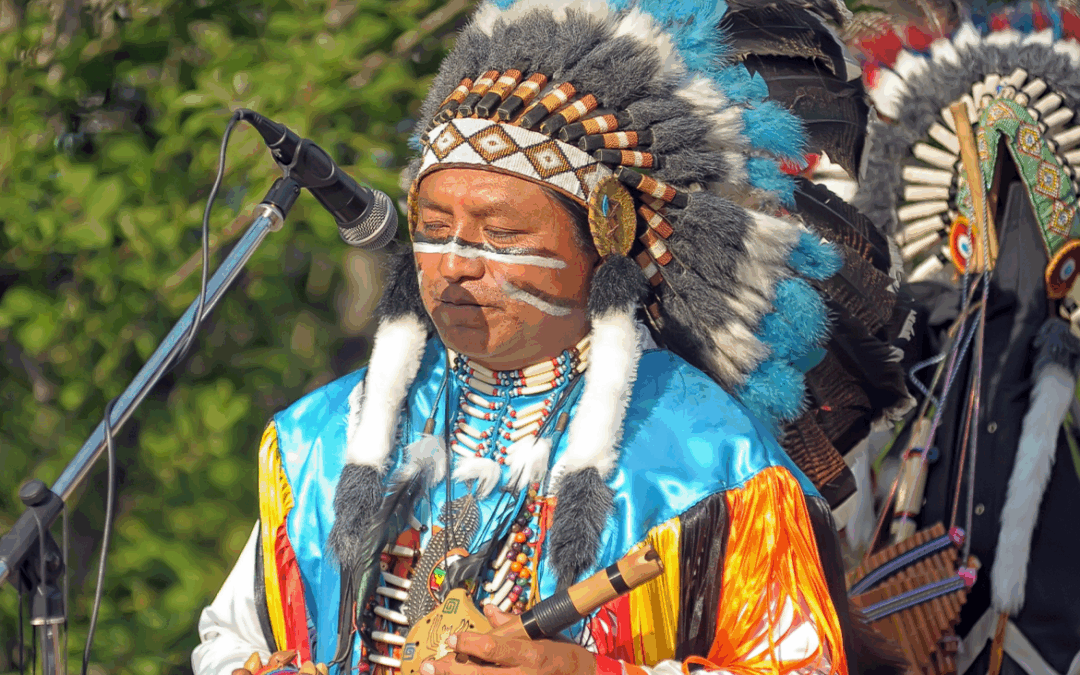
The Lenape language anchors identity for the Nanticoke Lenni-Lenape Tribal Nation and supports renewed cultural pride across generations.
Early lessons often begin with vocabulary that people search for in a Lenape language dictionary, helping new learners form a connection to their heritage. Many families engage with community programs that support cultural knowledge, traditional values, and tribal enrollment.
Honoring a Living Cultural Foundation
The Lenape language reflects a worldview shaped by careful observation and deep relationships with the land. Its structure expresses identity through patterns that differ from English, creating a meaningful experience for new learners. These features help families build connections between heritage and present-day community life.
Many people learn introductory phrases to strengthen communication during cultural gatherings. The Nanticoke Lenni-Lenape Tribal Nation uses these opportunities to encourage participation in language activities that build confidence. Each lesson guides learners toward understanding history through words, stories, and shared traditions.
Rebuilding Knowledge Through Community Memory
Historical pressures contributed to language loss across the region. Despite these challenges, community-led revitalization has created new pathways for learning. Families reconnect through shared study materials that anchor understanding in heritage knowledge and cultural values.
Language sessions often include discussions about place names and their meanings. These moments help participants recognize the deep relationships between the Lenape people and their ancestral homelands. Teachers guide learners carefully, creating a respectful space for growth grounded in cultural identity.
Why Language Carries Ancestral Strength
The Lenape language strengthens continuity between generations through expressions rooted in memory. Words passed down from historic records and oral accounts help today’s learners understand life before major disruptions. These connections highlight a community’s determination to maintain cultural presence.
Many learners study the connections between vocabulary, plants, and traditional practices. These relationships help them appreciate how language carries ecological knowledge that shaped daily life. The study process introduces cultural teachings that support a deeper sense of belonging within the tribal community.
The Role of Storytelling in Revitalization
Storytelling preserves traditional teachings and helps new learners understand how language shaped daily experience. Elders often share narratives to guide younger generations in recognizing shared values and cultural lessons. These stories often include words from the Lenni Lenape language, offering a natural entry point for beginners.
Families listen closely during storytelling sessions to hear how words and ideas work together. This process helps build familiarity with rhythm, structure, and meaning as learners grow more comfortable. Storytelling supports cultural pride and offers space for personal reflection on heritage identity.
Community Learning as a Path Forward
Language learning events allow the community to gather in supportive, welcoming environments. These sessions help learners understand the importance of cultural continuity while building strong foundations in vocabulary and pronunciation. Participants value opportunities to practice with others at similar skill levels.
Elders and cultural teachers guide learners through the experience with patience and clarity. They introduce resources that supplement study outside of formal sessions. These interactions strengthen relationships between generations and affirm the importance of shared cultural responsibility.
Cultural Pride Expressed Through Regalia and Language
Regalia worn at cultural events expresses identity in ways that connect directly to the Lenape language. Many descriptive terms for materials, colors, and symbols come from traditional vocabulary. These expressions help people understand the significance of each item in relation to heritage.
Youth often practice key terms before participating in ceremonies for the first time. These words help them describe regalia and understand its meaning within community life. This practice builds confidence and reinforces the relationship between language, identity, and cultural expression.
Heritage Preservation Through Modern Resources
Modern learning tools support language preservation by offering structured guidance for new learners. These resources often include pronunciation recordings, translated word lists, and practice sentences. Many people study through materials inspired by historical sources that inform present-day instruction.
Workbooks and digital tools help students form steady learning habits. Each new phrase supports a broader understanding of cultural stories, teachings, and values. Community members appreciate these materials for helping them reclaim knowledge lost over generations.
Language as a Link Between Past and Present
The Lenape language brings insight into how ancestors interacted with their surroundings. Vocabulary often reflects environmental knowledge that shaped food gathering, community living, and seasonal rhythms. These examples reveal how language documents ways of life that remain meaningful today.
Learners often feel a strong emotional connection when studying traditional expressions. These moments strengthen identity by linking history with modern cultural experiences. The ongoing commitment to language study deepens understanding of ancestral presence across time.
Historical Resilience Through Cultural Renewal
Language revitalization reflects the resilience of the Nanticoke Lenni-Lenape people. Generations worked to preserve knowledge despite attempts to suppress Indigenous identity throughout history. Today’s learners honor this perseverance by actively rebuilding connections through study.
Community programs encourage participation by offering supportive spaces to learn at a comfortable pace. Each event affirms the importance of maintaining cultural identity rooted in ancestral memory. The process strengthens unity and creates renewed appreciation for heritage.
Why Revitalization Matters for Future Generations
Children introduced to the Lenape language often develop lasting respect for their heritage. These early lessons encourage curiosity that continues into adulthood, forming lifelong cultural ties. This experience helps families maintain a shared understanding of identity that grows stronger across generations.
Future projects focus on expanding access to materials, events, and cultural opportunities. These plans help families strengthen community identity while learning at their own pace. The revitalization process builds a foundation for cultural continuity that supports long-term community well-being.
Continuing a Shared Linguistic Journey
The commitment to rebuilding language knowledge demonstrates the strength of the Nanticoke Lenni-Lenape Tribal Nation. Each lesson reflects dedication to cultural continuity, community memory, and ancestral pride. The process honors those who carried knowledge through difficult periods while supporting those who learn today.
Language revitalization creates space for personal growth and community bonding. Families and elders work together to maintain skills through practice and shared learning. This journey invites every community member to participate in shaping a meaningful future grounded in cultural identity.
Connecting with Our Cultural Mission
To learn more about our language, heritage, and cultural programs, we invite you to read about Nanticoke Lenni-Lenape Nation. Our community remains committed to strengthening knowledge that honors both history and future growth. If you wish to connect with us regarding cultural initiatives or educational resources, please contact us.
