
The Lenape natives shaped the early story of the mid-Atlantic region through their lifeways, traditions, and deep connection to the land. Their history spans thousands of years, and their influence continues through communities that honor heritage while building for the future. Understanding their past gives insight into the strength and resilience that remain visible today.
The Lenape natives lived across lands that include present-day New Jersey, Pennsylvania, Delaware, and New York. Many accounts describe the Lenape Native American experience as one built on community, reciprocity, and strong ties to the natural world. Their history touches on language, leadership, settlement patterns, regalia, and systems that shaped daily life before colonial disruption.
Ancient Roots and Early Settlement Patterns
Archaeological work shows that Lenape ancestors lived in the region for thousands of years, forming villages near rivers, forests, and fertile land. These communities adapted their housing and food gathering to shifting seasons, enabling stable year-round living. Their relationship with the land supported a balanced system that shaped cultural identity.
Seasonal movements were common as families traveled to hunt, fish, or gather specific resources that appeared only at certain times. These patterns created a predictable rhythm that guided community responsibilities and celebrations. Through these cycles, people built knowledge that shaped traditions and strengthened social ties.
The Meaning Behind the Name Lenape
The word “Lenape” is often translated to mean “Original People,” reflecting their place as long-standing inhabitants of the region. Language was central to community identity, expressing values that guided relationships and responsibilities. Oral teachings passed through generations helped maintain a clear sense of belonging.
Subgroups such as the Munsee, Unami, and Unalachtigo spoke closely related dialects. Each group had territories, traditions, and leadership structures that fit their specific environments. These distinctions show how communities shaped cultural expression while remaining connected to a shared identity.
Village Life and Daily Responsibilities
Village organization reflected cooperation among families who shared tasks for food production, childcare, and skill training. People built homes from wood and bark, with each structure crafted to suit local conditions. Rivers and forests served as central gathering places where work, stories, and teaching took place.
Daily responsibilities were shaped by age and ability as younger members learned through observation and participation. Skills were passed down carefully to maintain community stability and prevent the loss of valuable knowledge. These practices formed the core of everyday life and strengthened intergenerational relationships.
Foodways and Seasonal Traditions
Communities grew corn, beans, and squash, which formed the foundation of many meals. These crops complemented each other in both farming and nutrition, supporting a balanced diet. Hunting and fishing expanded food sources and supported seasonal gatherings.
Food preparation connected families through techniques honed over time. People shared responsibilities during large harvest periods, building community ties through shared work and celebration. These foodways reflected a relationship with the land that shaped cultural identity and seasonal rhythms.
Trade Networks and Regional Connections
Lenape communities took part in wide trade networks that linked them with neighboring groups across the East Coast. They exchanged goods such as furs, tools, shell beads, and crafted items that held cultural or practical value. These exchanges strengthened diplomatic relationships and maintained peaceful cooperation.
Trade routes reflected deep knowledge of waterways and forest trails. People traveled significant distances to reach partners who relied on these networks for specialized items. These connections supported communication, cooperation, and shared cultural understanding across large regions.
Spiritual Teachings and Traditional Beliefs
Lenape cultural teachings centered on respect for creation and the responsibilities placed upon individuals and families. Stories explained natural forces, moral lessons, and the origins of community practices. These teachings supported thoughtful decision-making and shaped values that guided behavior.
Ceremonies marked important moments in life, including births, coming-of-age stages, and seasonal changes. Each ceremony reinforced bonds within the community and honored ancestral wisdom. These rituals continue to influence cultural practice, creating continuity between past and present.
Lenape Regalia and Cultural Expression
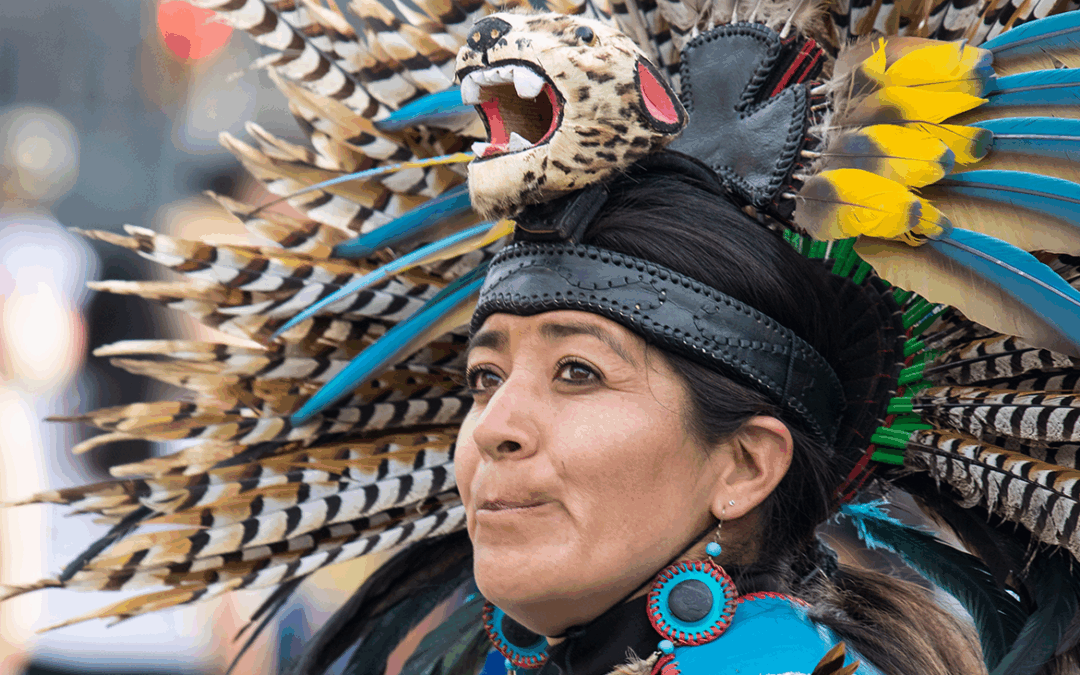
Historical descriptions of Lenape Indians’ clothing often note materials gathered from the surrounding environment, shaped into items with cultural meaning. These pieces represent skill, identity, and artistry that reflect deeply rooted traditions. Regalia features beads, quills, leather, and woven elements that express individual and family stories.
Men and women crafted items that varied by season, purpose, and community role. Colors and patterns held symbolic meaning, connecting the wearer to ancestors and shared teachings. Regalia continues to play an important role at gatherings and celebrations, carrying forward cultural identity.
Leadership, Governance, and Community Decision-Making
Leadership structures balanced authority, responsibility, and community needs. Clan leaders, advisors, and respected elders guided decision-making based on experience and long-standing teachings. This system valued thoughtful dialogue and cooperation over conflict.
Leadership roles were not based on force or dominance. Instead, individuals earned trust through consistent service to the community. This approach helped maintain stability and harmony while addressing issues that affected daily life.
Early Contact with Europeans
European arrival in the seventeenth century brought significant disruptions through disease, land pressure, and unfamiliar systems of trade. Many communities faced rapid changes that challenged traditional ways of life. Despite these pressures, families worked to protect knowledge, land connections, and cultural values.
Stories from this period describe negotiations, conflicts, and shifting relationships as settlers expanded their presence. These encounters shaped the history of the region and influenced the movement of families who sought safety and stability. The effects of this period continue to shape community memory and identity.
Displacement and Forced Migration
In the eighteenth and nineteenth centuries, many Lenape were forced to leave their homelands. Policies, treaties, and settler expansion pushed families far from their ancestral territories. Groups resettled in regions such as Oklahoma, Wisconsin, and parts of Ontario.
Despite vast distances, community ties remained strong. People worked to preserve language, cultural practice, and governance systems in their new locations. These efforts kept traditions alive and strengthened intercommunity support during difficult times.
Strength and Continuity in Modern Communities
Today, descendants of the Lenape maintain active communities, including the Nanticoke Lenni-Lenape Tribal Nation of New Jersey. Ongoing work includes cultural education, regalia preservation, language projects, and social services that support wellness. These efforts honor ancestors while creating opportunities for future generations.
Modern initiatives also include tribal enrollment systems that document lineage and maintain the integrity of community identity. The Turtle Trading Post and the tribal museum share history, artwork, and teachings with the public. These programs promote cultural understanding and reinforce the continued presence of the Lenape people.
Honoring an Enduring Legacy
The legacy of the Lenape reaches far beyond early history, shaping regional culture and influencing generations through tradition, resilience, and collective memory. Their story reflects adaptability and continued presence in both ancestral territories and distant communities. Each chapter of their history shows a commitment to cultural survival and a deep connection to shared heritage.
The impact of Lenape heritage can be seen in cultural projects, educational work, and community leadership that strengthen identity for future generations. These efforts support a living connection to ancestral teachings while encouraging younger members to engage with traditional knowledge. Through these actions, Lenape communities continue shaping their legacy with purpose and steady dedication.
Learn More About the Naticoke Lenni-Lenape Tribes
At Nanticoke Lenni-Lenape Tribal Nation, we welcome all who wish to learn more about our continued presence, cultural programs, and community history. You can find more about Nanticoke Lenni-Lenape Nation through our educational resources and museum materials, which offer insight into our people and traditions.
For questions or deeper engagement with our programs, please contact us through our main tribal site, where our community shares information and guidance rooted in respect for heritage.
